Human or Machine?
An interactive learning experience with focus on AI. A part of the museum installation "Ambivalent Intelligens".
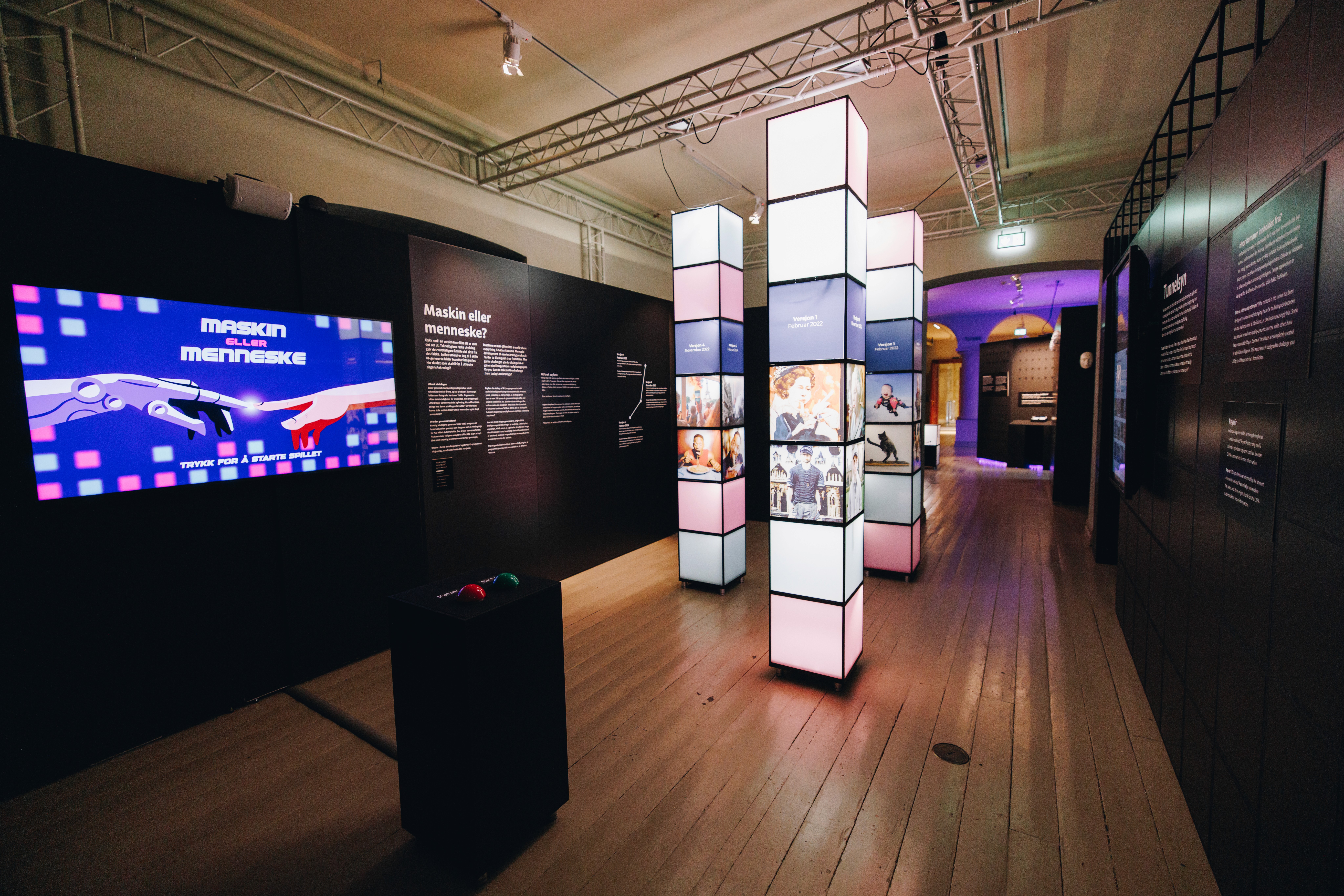
Human or Machine is an interactive museum installation that challenges visitors to identify whether an image is a photograph or generated by AI.
The project explores trust, Artificial Intelligence, and how playful interaction can make people reflect on the boundaries between humans and machines.
Client
University Muesum of Bergen
Skills
UX design (visual and physical)
UI and visual identity
Interactive prototyping
User research & testing
Prompt engineering
Game development
My role
UX designer, Curator of AI images
Timeline
Q1 2024 - Q2 2024
Team
A team of 5 UX-students from University of Bergen, collaborating with the museum-curators.
Problem
AI generated images are almost too real
AI-generated images are rapidly reshaping what we consider “real” online. As synthetic visuals blend seamlessly with authentic ones, users face a growing sense of uncertainty—what can we trust, and how do we make sense of an increasingly artificial visual landscape? At the same time, AI creates new creative possibilities, but often without giving people the intuition needed to navigate these shifts confidently.
This opened a design opportunity for us: how might we create an experience that helps people interact with AI imagery in a way that is playful, reflective, and educational?
Solution
Can you spot the difference?
Human or Machine is an educational and playful experience that invites users to explore the boundary between real and AI-generated imagery, helping them build intuition in a rapidly changing visual landscape.
Interactive guessing game
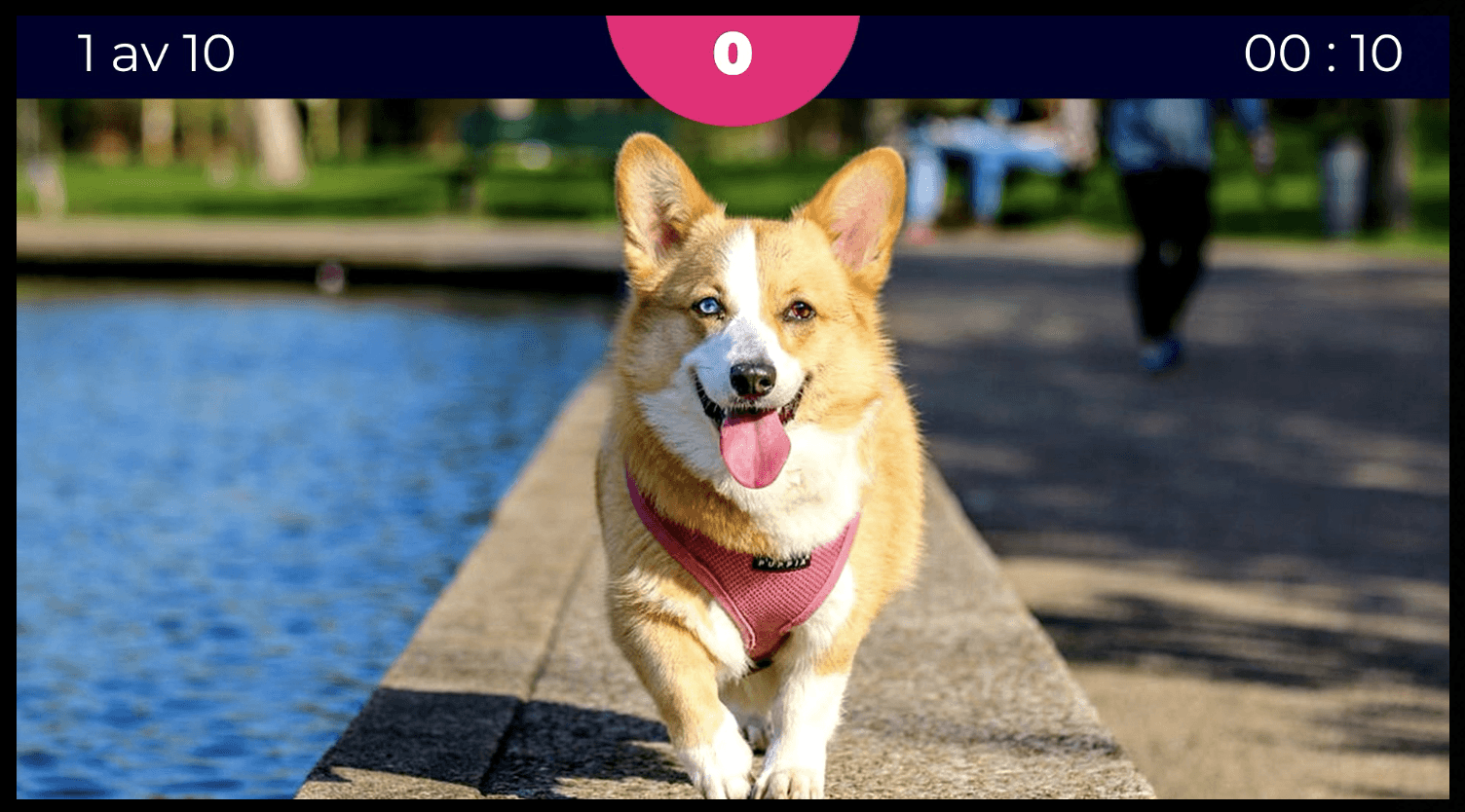
Users examine images and decide whether they believe they are human-made or machine-generated.
Instant, intuitive feedback
Each guess is followed by clear feedback which makes it easier to learn how to spot "real" or "fake" images. It also gives feedback if you hade the right or wrong answer
Score-based progression
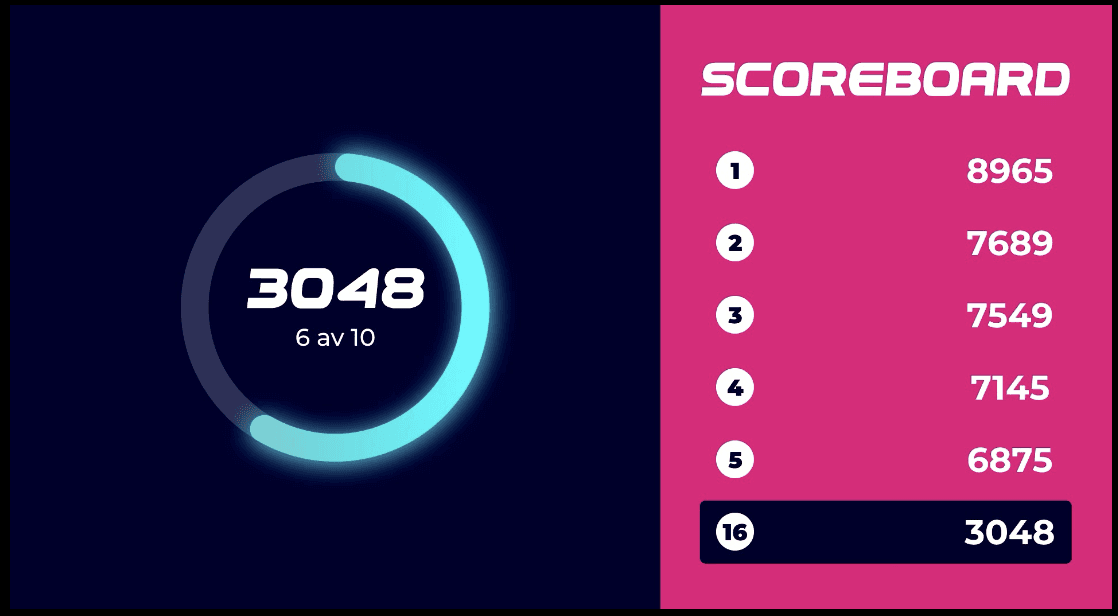
Every correct guess increases the player’s score, creating a sense of momentum and challenge.
Character feedback and leaderboard
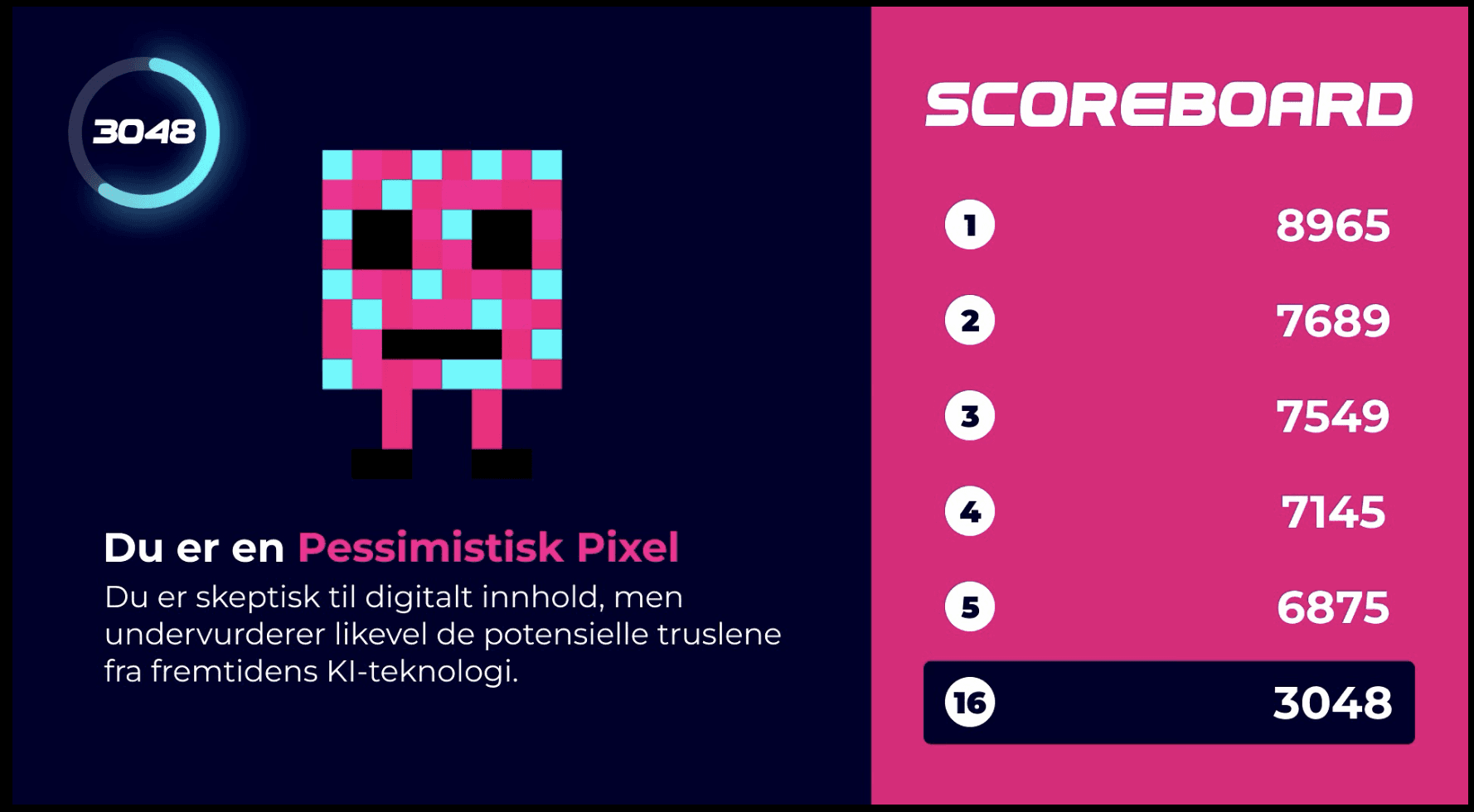
At the end of the game, players receive a short personality description based on their performance. Results are also shared on a leaderboard
Awareness through play
The experience transforms a complex cultural shift into a simple, curiosity-driven interaction that encourages learning.
Real photographs
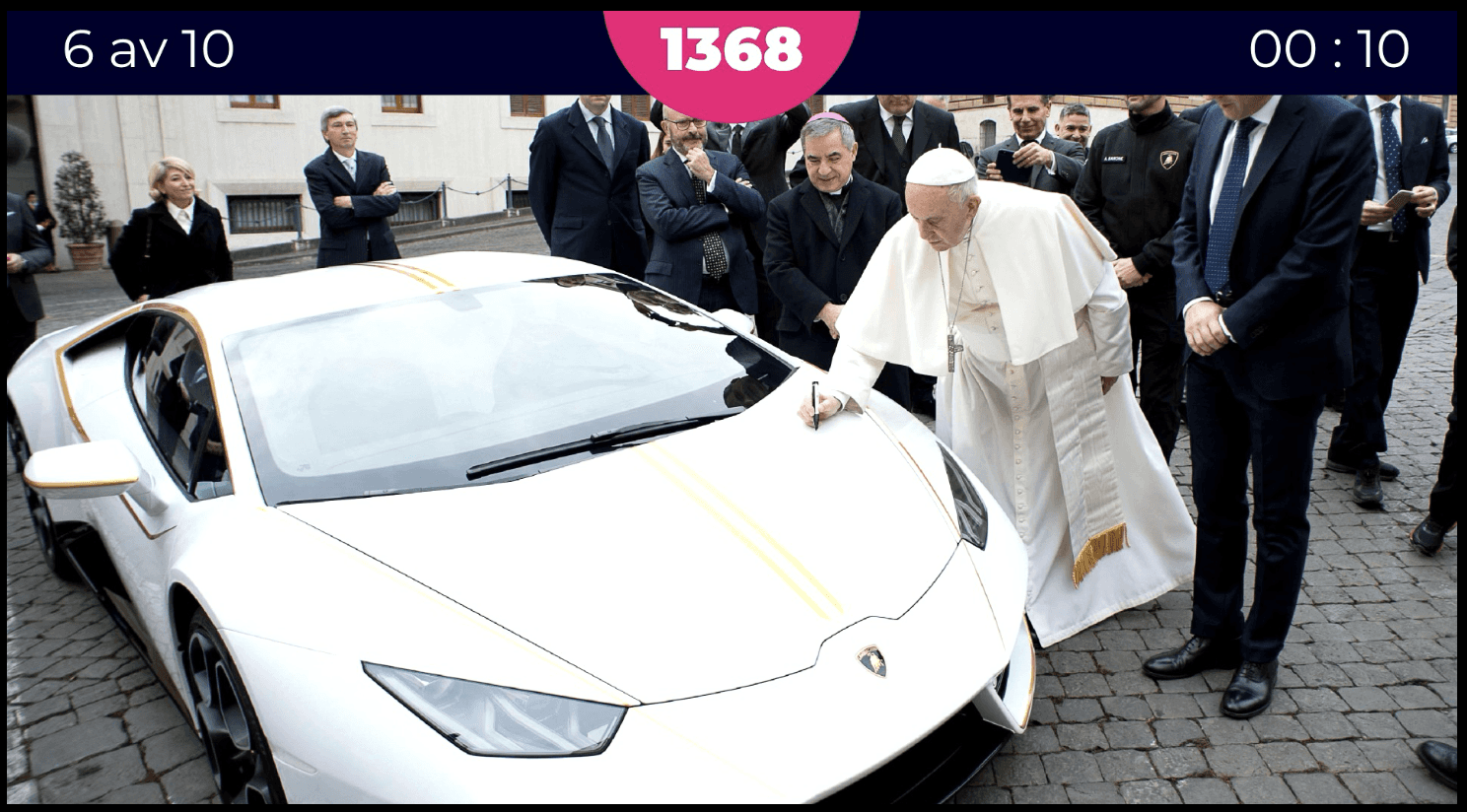
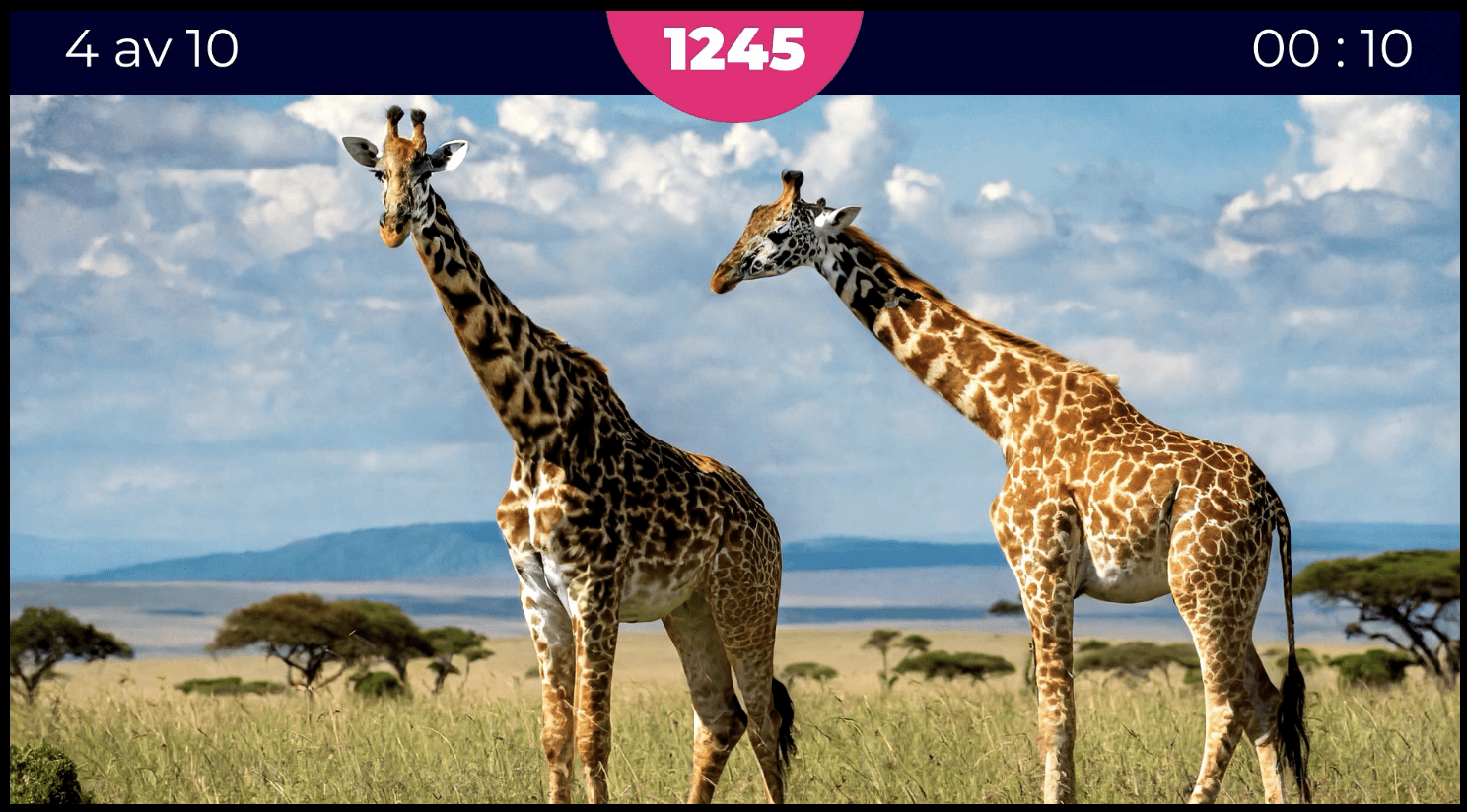
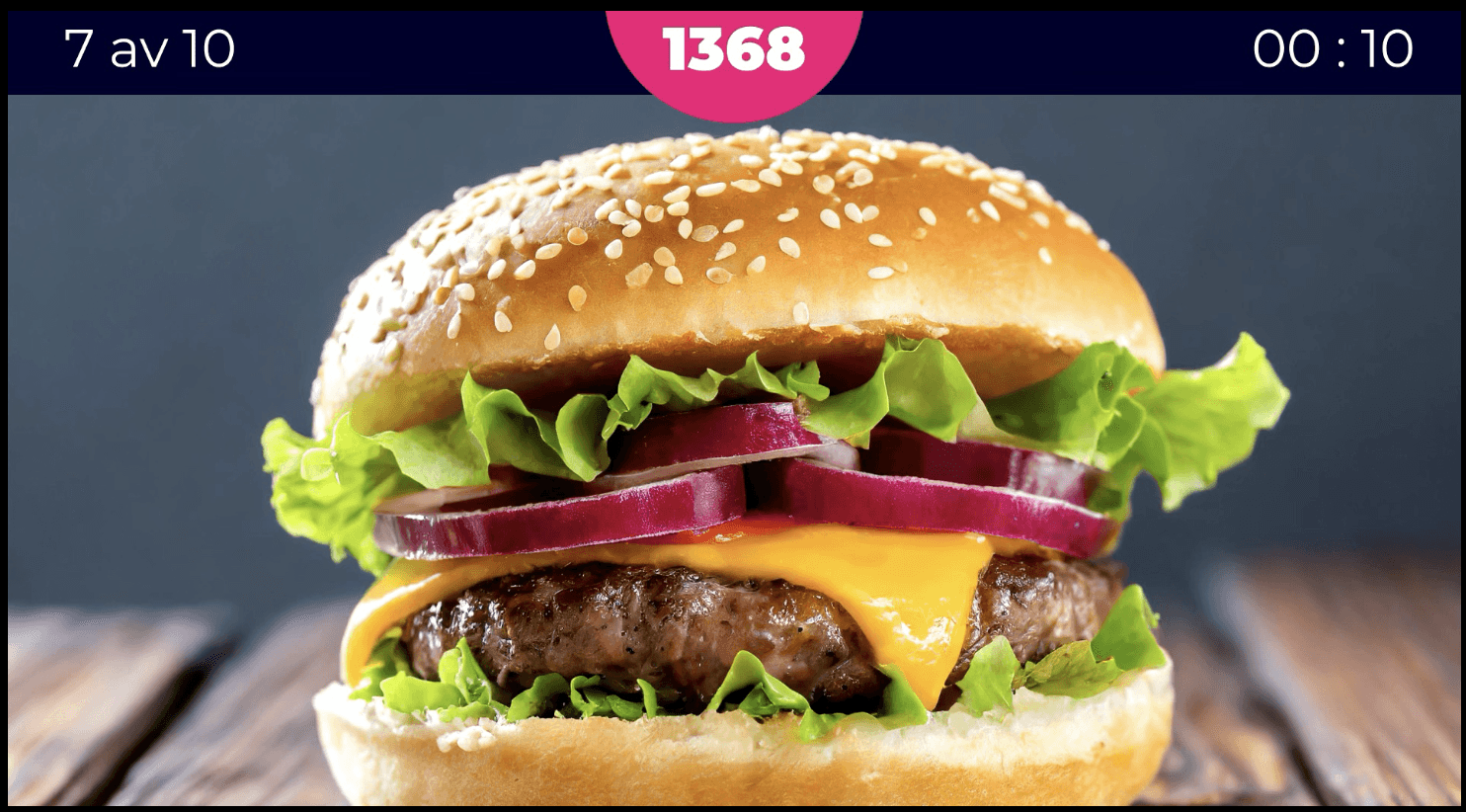
Design process
Our process followed a structured, iterative path—moving from understanding the museum context to building and refining a fully functional installation. Across four phases, we combined research, user insights, rapid prototyping, and experience design to create an interaction that is playful, educational, and meaningful for a broad museum audience.
Understanding the Context
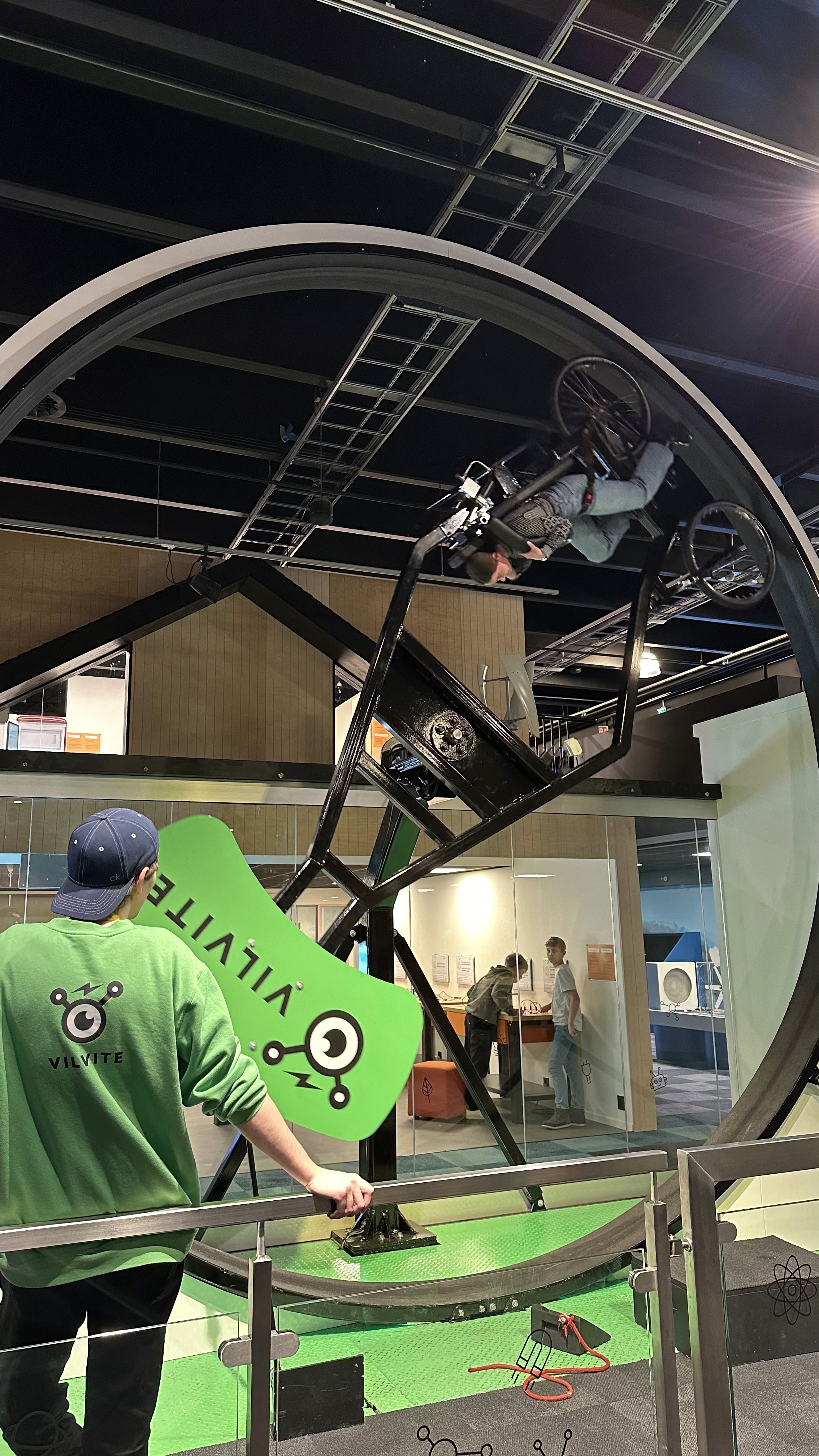
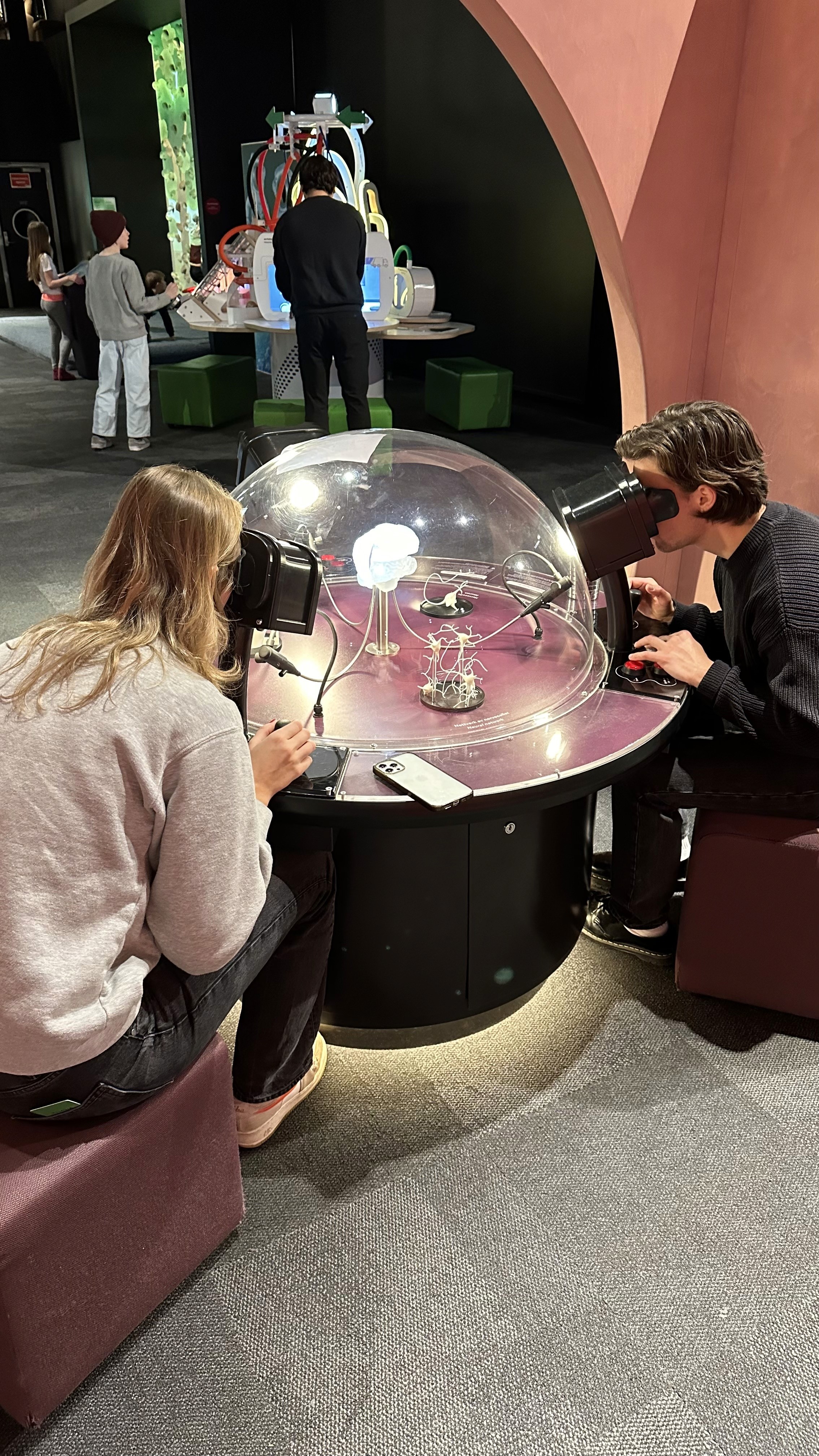
We began by immersing ourselves in the world of museum experiences. We visited the technological museum VilVite and University museum of Bergen. Through interviews with curators, observations in the exhibition spaces, and a survey of visitors, we explored what defines the curious visitor—the museum’s primary target group.
Several patterns shaped our direction:
Visitors seek learning through engaging, hands-on experiences.
Curiosity is a key driver for both children and adults.
Memorable experiences balance entertainment with depth and scientific integrity.
Many visitors engage socially, exploring exhibitions together as a shared activity.
This context made it clear that our installation needed to be intuitive, visually striking, and immediately engaging—something that sparks curiosity within seconds.
AI, Misinformation, and Visual Trust
Parallel to the museum research, we studied how AI-generated imagery is reshaping public understanding of “truth” online. Since the installation was focusing on AI, we explored the possibility to create something with generative AI photos.
This challenge became our design opportunity:How might we help visitors build awareness and intuition about AI-generated images, without overwhelming them with technical complexity?
Exploring Gamification as a Learning Tool
Based on insights from a gamification expert and references to the Octalysis framework, we identified three mechanics that support learning for a broad audience:
Goal-setting: Simple, time-bound decisions (“real” or “fake”) create focus and engagement.
Rewards: Immediate feedback and scoring reinforce learning and encourage replay.
Competition: A leaderboard leverages visitors’ natural competitiveness and motivates repeated attempts.
These insights aligned strongly with the museum’s values: learning through play, curiosity, and memorable interaction.
Google Design Sprint
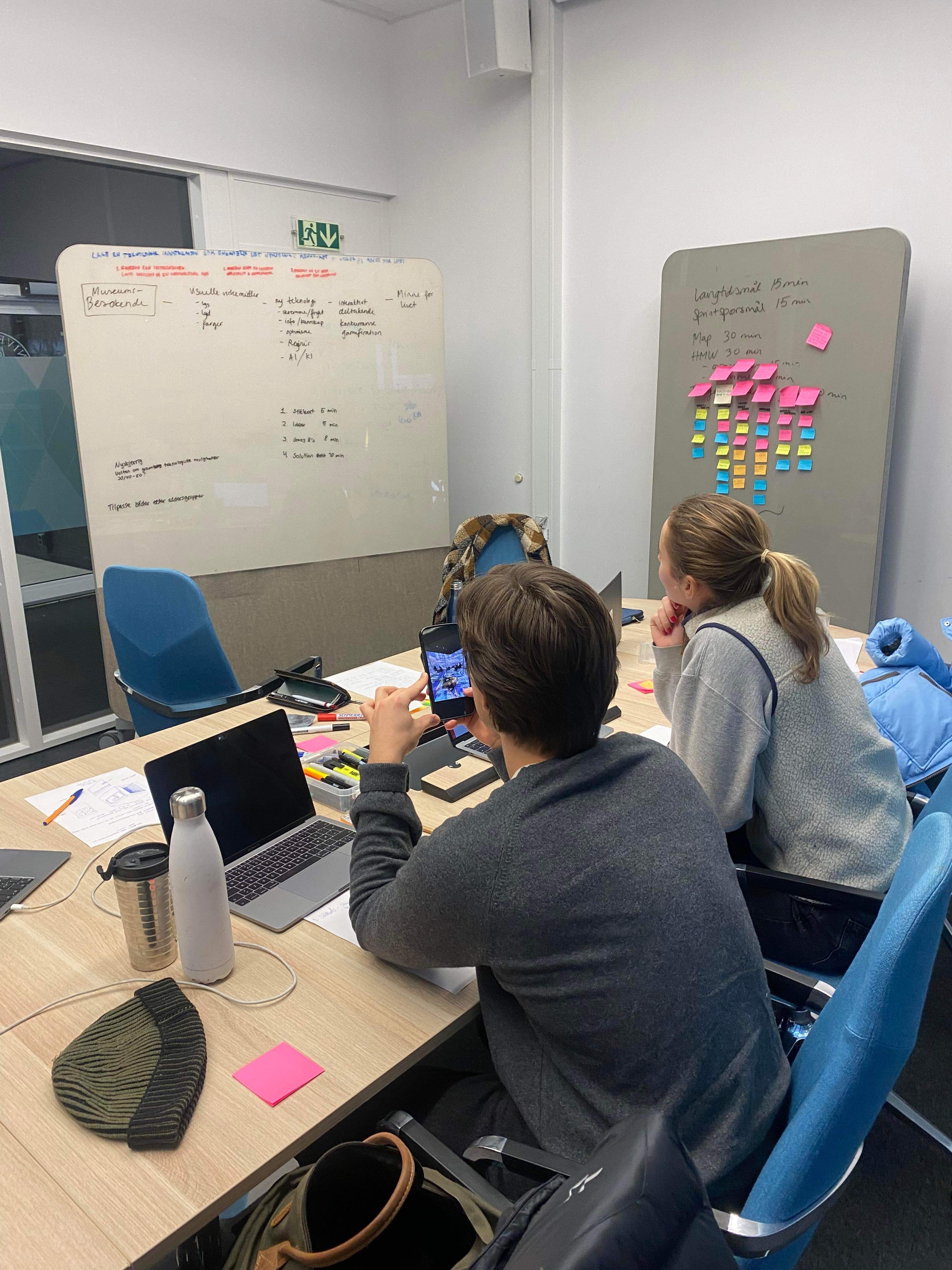
Before moving into full prototyping, we ran a focused Google Design Sprint to rapidly explore, align, and validate our concept direction.
Over an intensive sprint, we:
Mapped the problem and defined the challenge around AI and public understanding.
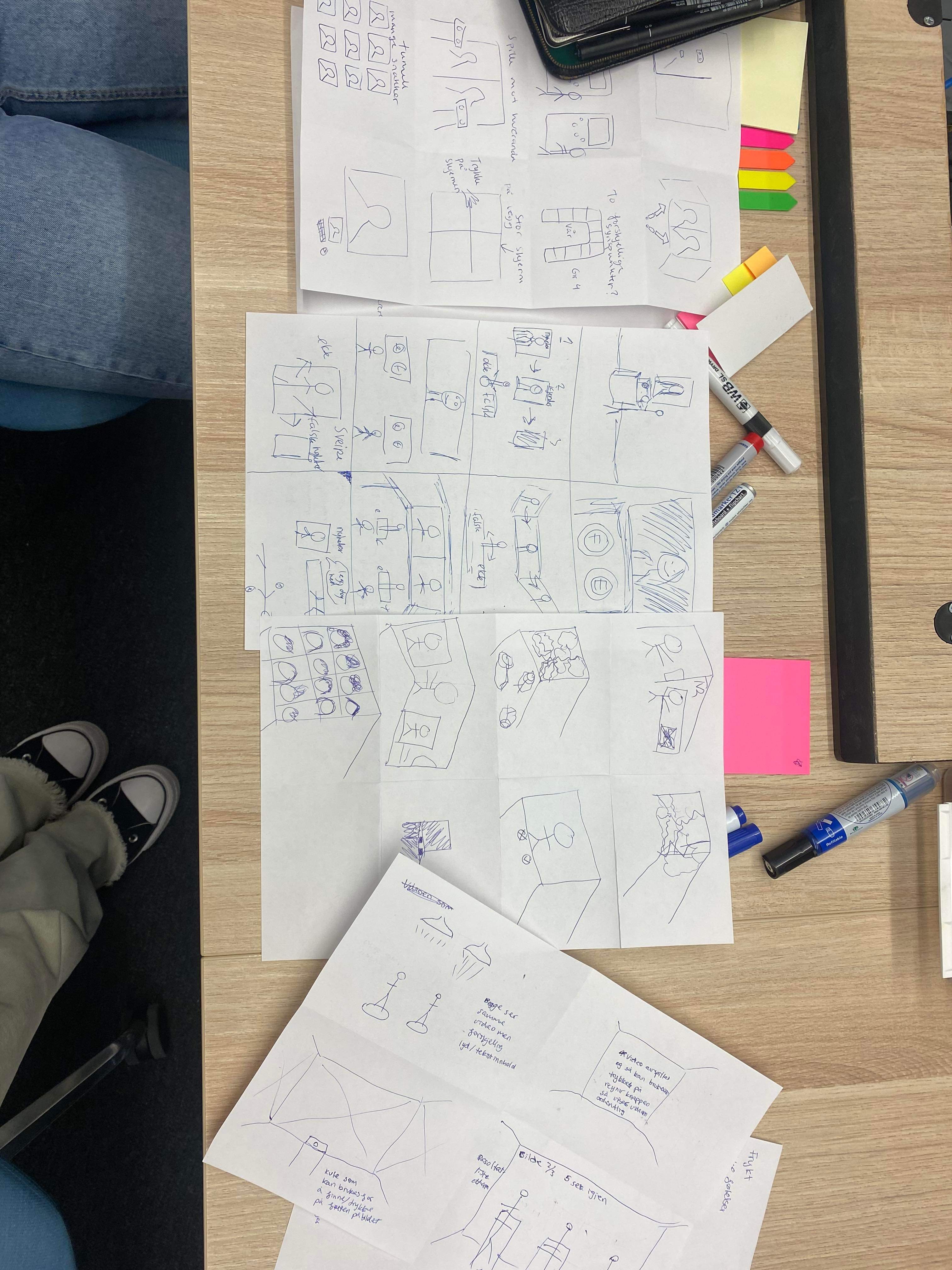
Sketched multiple concept directions, including quiz formats, exploration-based interactions, and collaborative challenges.
Voted on key ideas using structured decision-making techniques.
Created a high-level storyboard that outlined the user journey from curiosity → interaction → reflection.
Built a rapid wireframe, testing core assumptions such as:
how quickly users understood the task
whether they felt motivated to continue
how competitive elements influenced engagement
Validated the concept through early user feedback, confirming that a short, high-intensity guessing game created the right emotional and educational response.
The sprint gave us clarity and confidence: the core idea worked, and we had a shared blueprint for moving into deeper prototyping.
Iterative Prototyping and User Testing
We refined the experience through four iterations and over 30 user tests. Each round revealed actionable insights:
Preference for relatable images: Visitors connected more strongly with locations and personalities they recognised.
Competition increases engagement: The leaderboard triggered motivation and social interaction.
Difficulty as a learning moment: Many struggled to distinguish AI from real photos—an insight that validated our concept.
Clear progression needed: Users wanted to see round numbers, score summaries, and feedback after each guess.
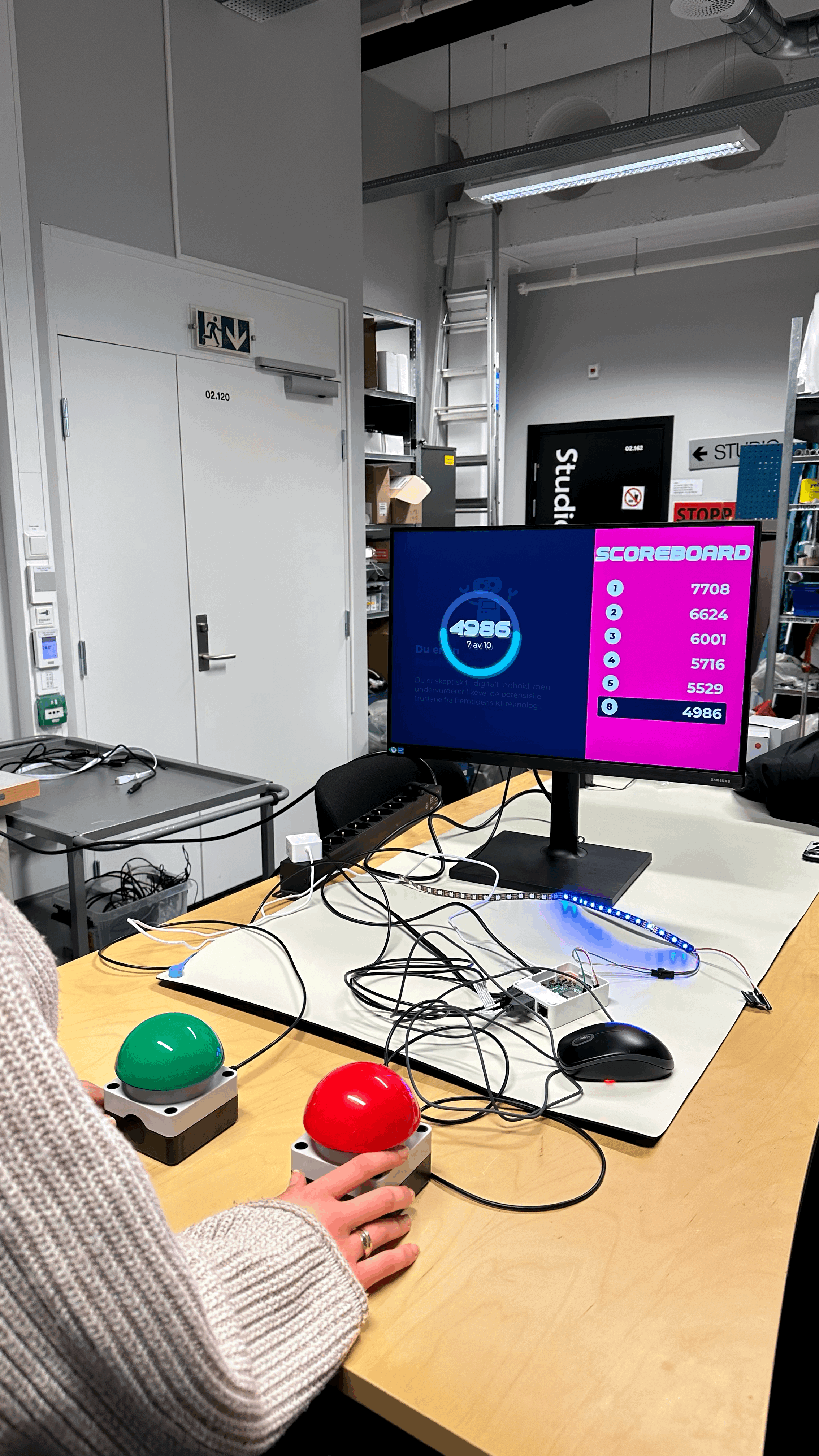
Physical controls matter: Large tactile buttons created a more intuitive and satisfying interaction than touchscreens.
Each insight directly informed modifications in layout, sound design, button feedback, score visibility, and difficulty balancing.
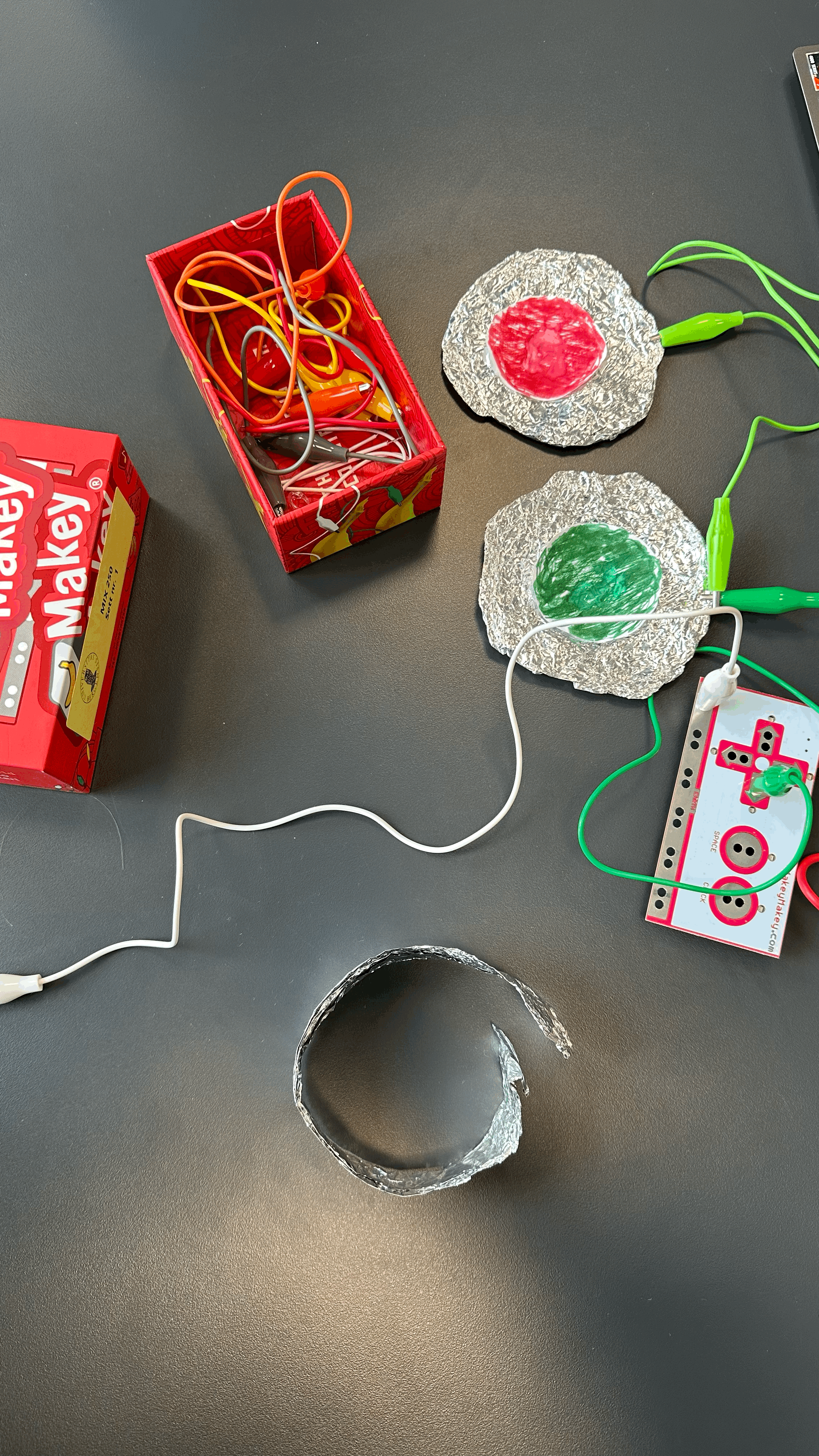
We started our iterations and usertesting using MakeyMakey. MakeyMakey is an invention kit that lets you turn everyday conductive objects into keyboard or mouse inputs using simple alligator-clip cables. This let us test the buttons before creating the big tactile ones.
Developing the installation
The final installation is a cohesive museum experience combining digital interaction and physical space:
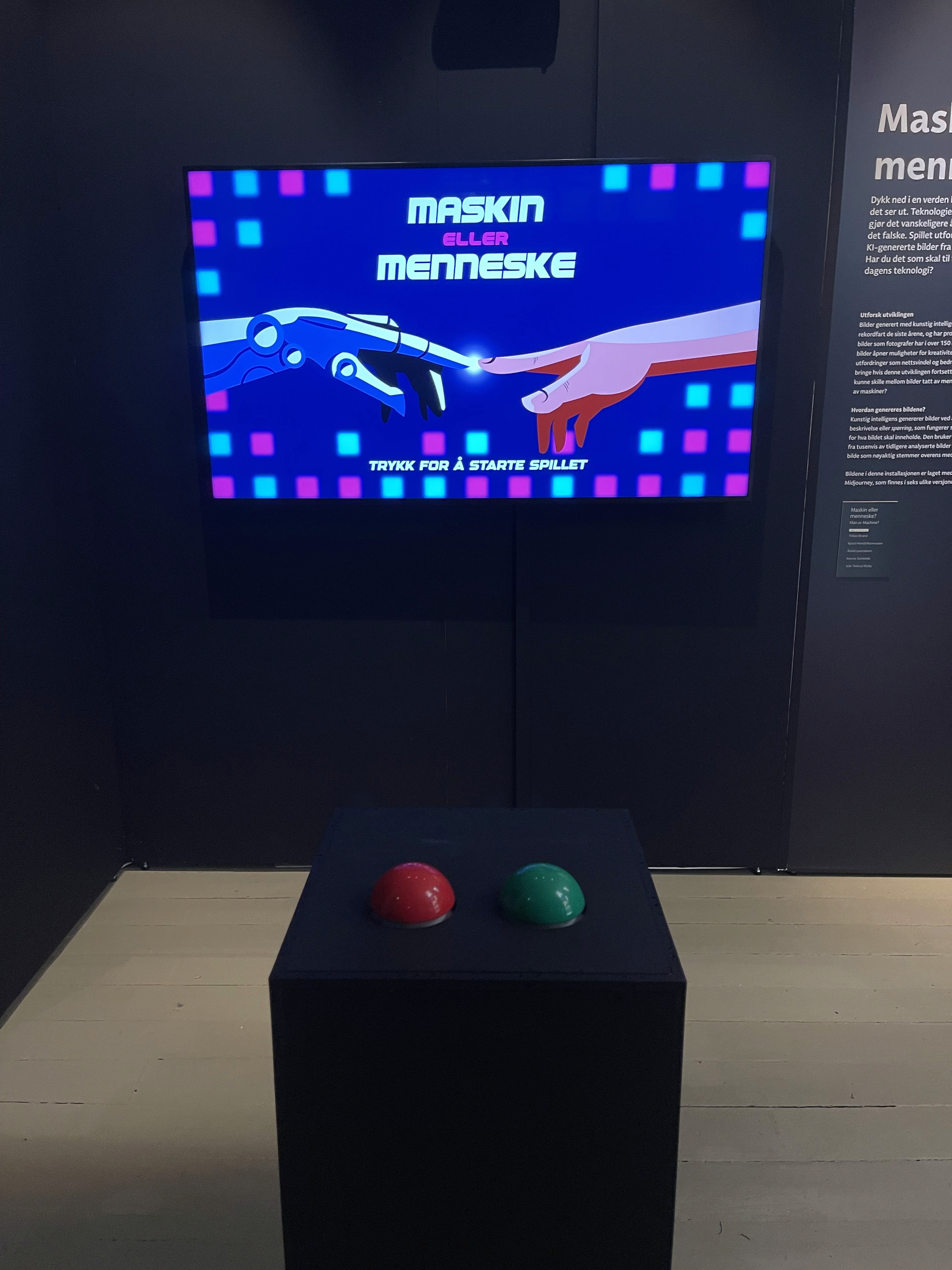
The Game: A ten-round prediction challenge where visitors judge images as “real” or “fake,” earning points based on correctness and speed.
Physical Buttons: Large, illuminated buttons offer tactile, intuitive interaction and lower cognitive load.
Immediate Feedback: Sound, light, and animations reinforce correct/incorrect responses.
Leaderboard: Displays scores and encourages friendly competition among visitors.
Character Profiles: Each player receives a light-hearted persona that reflects their performance.
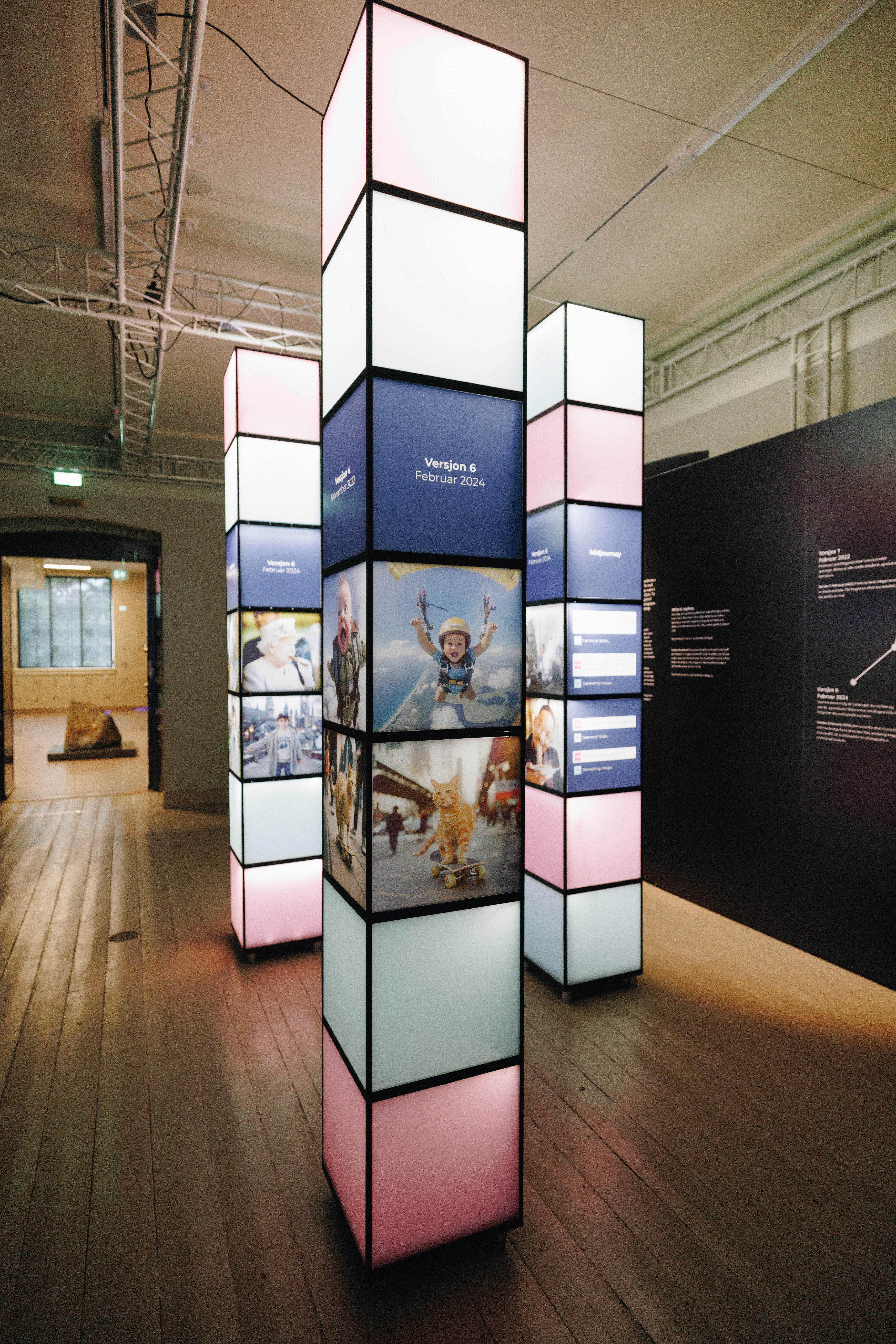
Pillar Forest: A physical timeline visualising the evolution of AI-generated imagery through versions of Midjourney, reinforcing the learning aspect.
Over 50 000 unique players
Visitors left the installation more curious, more engaged and in many cases more critical of the images they encounter online. Feedback highlighted increased awareness, stronger competitive motivation, and a desire to replay the game.
Over 50 000 museum guests interacted with the game we made.
This project demonstrates how playful interaction, thoughtful gamification, and strong research foundations can help bridge the gap between emerging technologies and public understanding.